Writing Your First Book Later in Life: Lessons From Neil Ghosh
Writing a book later in life brings a unique blend of accumulated wisdom and creative challenges. In this deep dive, you will learn how lifelong experiences shape an author's voice, the practical steps older adults take to finally finish a manuscript, and how a lifetime of memories provides rich storytelling material that younger writers simply haven't lived yet.
Key Takeaways
- Life experience offers an unmatched reservoir of authentic material for first-time authors publishing later in life.
- Transitioning from a professional career to creative writing requires carving out dedicated daily habits.
- Long-term friendships often become critical sounding boards during the manuscript drafting process.
- Overcoming imposter syndrome is essential when stepping into a brand-new creative identity.
- Publishing a book as an older adult serves as a powerful legacy project for children and future generations.
The Unique Advantage of Lived Experience in Writing
When someone decides to write a book later in life, they often worry that they are starting too late. However, the exact opposite is true. Decades of navigating career milestones, raising families, weathering personal loss, and observing the world's changes provide a deep reservoir of emotional intelligence and narrative depth. While a younger writer might focus heavily on plot mechanics, an author with a lifetime of experience brings authentic nuance to character motivations and thematic resonance.
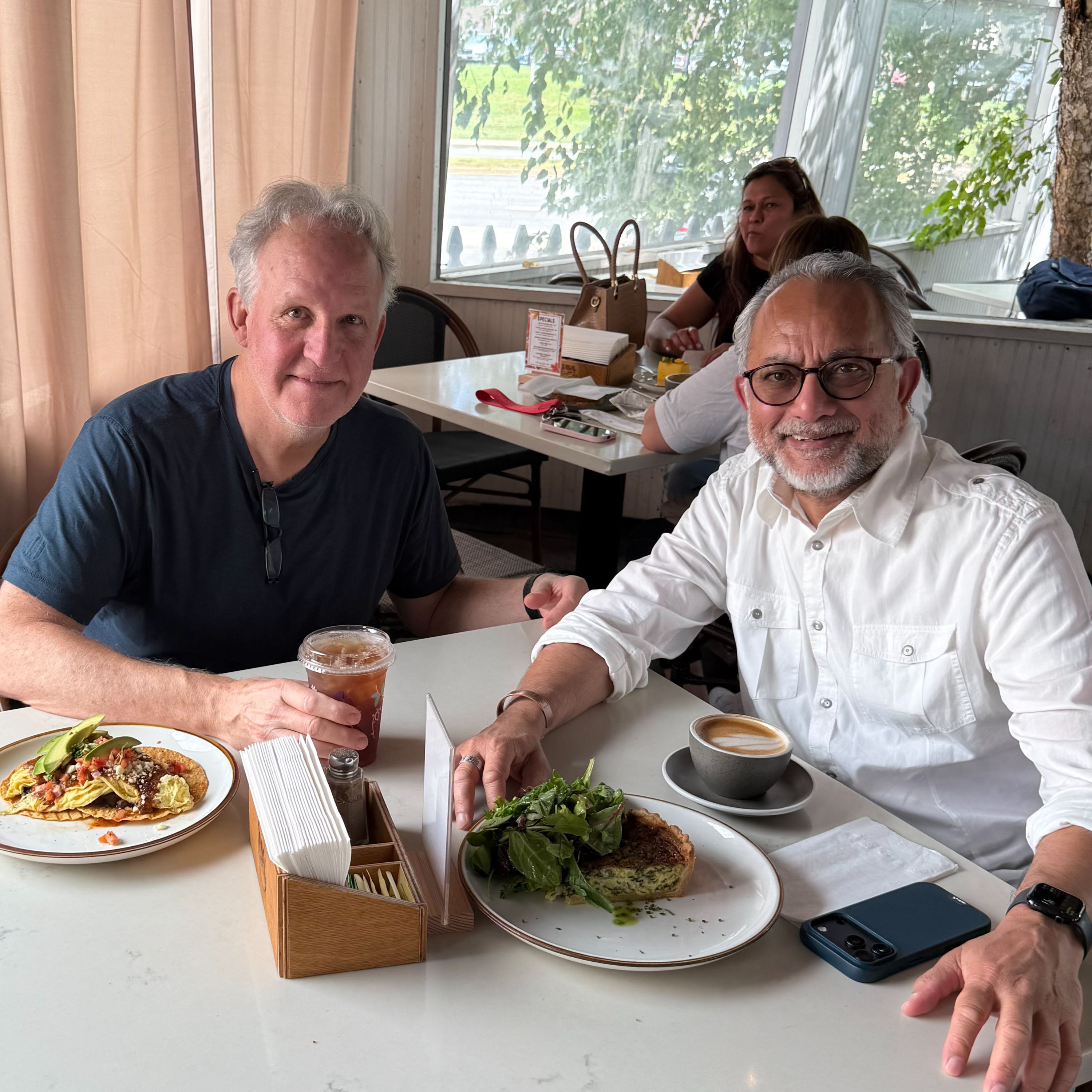
Consider how friendships evolve over decades. When longtime friends like Neil Ghosh and the host's father discuss creative projects, their dialogue is informed by a shared history that spans decades. This longevity translates directly to the page. Characters created by older writers tend to have more believable flaws, redemptive arcs, and realistic relationships because the author has witnessed these dynamics play out in real life.
Overcoming Blank Page Syndrome and Self-Doubt
One of the biggest hurdles for first-time authors who have established themselves in entirely different careers is overcoming imposter syndrome. Spending thirty or forty years as an engineer, educator, or business executive means feeling like a novice when facing a blank word processor document. This psychological barrier stops many brilliant stories from ever being told.
To combat this, successful late-in-life authors treat writing not as a mystical calling that requires divine inspiration, but as a disciplined craft. They set aside consistent blocks of time, often early in the morning, to chip away at the word count. Treating the manuscript like any other professional project helps bridge the gap between past expertise and new creative endeavors.
Practical Habits for Building a Writing Routine
Building a writing habit later in life requires protecting your time and energy. Unlike full-time professional writers who might spend eight hours a day at the keyboard, older authors often balance retirement activities, family responsibilities, and health management. Establishing a realistic goal—such as writing five hundred words every morning—prevents burnout and keeps the momentum moving forward.
The Power of Peer Feedback and Lifelong Friendship
Writing in a vacuum is a recipe for creative paralysis. As highlighted in recent discussions about Neil Ghosh's book release, having a trusted circle of lifelong friends makes all the difference. When you share your creative work with someone who has known you for decades, they can immediately spot when your writing sounds inauthentic or out of character.
These friendships act as a gentle accountability system. Friends who care deeply about your personal growth will push you to finish the manuscript when enthusiasm dips. They remind you of the stories you used to tell over dinner parties and encourage you to immortalize those anecdotes in print.
Leaving a Literary Legacy for the Next Generation
Beyond the personal fulfillment of seeing one's name on a book cover, publishing later in life serves a profound generational purpose. Children and grandchildren often know their parents or grandparents in a very narrow context—as caregivers, providers, or retirees. Reading a book written by an elder opens a window into their inner thoughts, historical perspectives, and philosophical beliefs.
This transfer of knowledge bridges the generational gap. It allows family members to understand the historical and emotional landscape that shaped their family tree. For more insights on how lifelong relationships inspire creative milestones, you can Listen to the full episode where these themes are explored in depth.
Frequently Asked Questions
Is it harder to write a first book later in life?
While physical stamina and adapting to modern publishing technology can present minor hurdles, the actual storytelling is often easier because older adults have a wealth of lived experiences and emotional maturity to draw from.
How do lifelong friendships help in the writing process?
Lifelong friends provide honest feedback, keep you accountable to your writing goals, and often recognize your authentic voice better than anyone else, helping you avoid cliché and forced writing.
What is the best way to start writing a book if you have never written before?
Start small by outlining anecdotes, establishing a daily or weekly word-count goal, and focusing on getting your stories down on paper before worrying about editing or publishing logistics.
How does publishing a book later in life act as a family legacy?
A published book gives children and grandchildren a permanent record of the author's worldview, personal history, and creative voice, offering a deeper understanding of their family heritage.