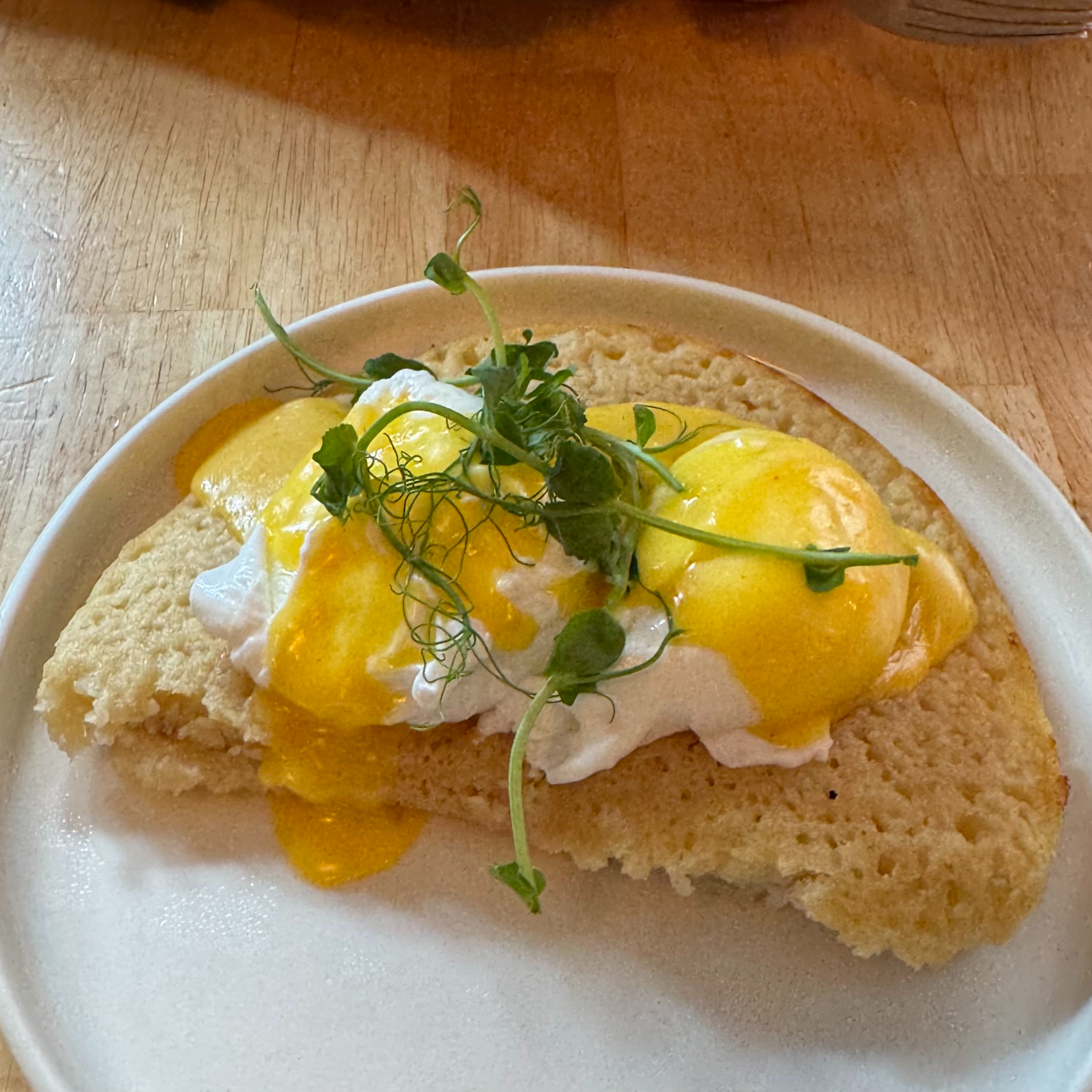
Sourdough Starter vs. Instant Yeast: The Breakfast Baking Battle
Before diving into dad's morning stories, let's savor the magic of breakfast bread. From the tangy complexity of sourdough to the reliable rise of instant yeast, each offers a unique journey to the perfect breakfast loaf. Which will win a place at your family table?
Key Takeaways
- Sourdough offers a complex, tangy flavor profile developed through natural fermentation.
- Instant yeast provides a quicker, more predictable rise for efficient baking.
- The long fermentation of sourdough can break down gluten, potentially making it more digestible for some.
- Understanding the process differences helps bakers choose the right leavening agent for their desired outcome.
- Both methods can result in delicious breakfast breads, catering to different preferences and time constraints.
The Tangy Soul of Sourdough for Breakfast
There's a certain romance to sourdough. It’s not just bread; it’s a living entity, nurtured and coaxed into creating those beautiful, airy loaves that grace our breakfast tables. The process begins with a sourdough starter, a carefully cultivated blend of flour and water teeming with wild yeasts and lactobacilli. These microscopic powerhouses work in harmony over an extended period – often 12 to 24 hours, sometimes even longer – to leaven the dough and develop its signature tangy flavor. This slow fermentation is what gives sourdough its distinctive taste, a delightful tang that perfectly complements the richness of butter or jam. Beyond flavor, this prolonged fermentation process can break down some of the gluten and phytic acid in the flour, making sourdough potentially easier to digest for some individuals. Imagine pulling a crusty, golden-brown sourdough loaf from the oven, the aroma filling your kitchen as the sun rises. It’s a patient art, but the reward is a deeply satisfying bread that feels both rustic and celebratory.
Instant Yeast: Efficiency for the Morning Rush
On the other end of the spectrum is instant yeast, the workhorse for bakers who need reliable results with less waiting time. Unlike active dry yeast, instant yeast doesn't require proofing in warm water beforehand; it can be mixed directly with dry ingredients. This significantly speeds up the process. Dough leavened with instant yeast typically rises much faster, often in half the time or less compared to sourdough. This makes it an ideal choice for busy mornings or when a spontaneous craving for freshly baked bread strikes. The flavor profile is generally milder than sourdough, leaning towards a more neutral, bready taste. While it lacks the complex tang of wild yeast fermentation, it provides a consistent, fluffy texture that many people associate with traditional breakfast breads like dinner rolls or simple loaves. The predictability of instant yeast is its greatest strength, ensuring a good outcome even for novice bakers or those on a tight schedule.
Choosing Your Breakfast Bread Path
The decision between sourdough and instant yeast for your breakfast baking often comes down to priorities. If you cherish a slow, artisanal process, the unique flavor development, and the potential digestibility benefits, sourdough is your champion. It’s a labor of love, a connection to ancient baking traditions that brings a special character to the breakfast table. The patience required is rewarded with a depth of flavor and texture that’s hard to replicate. On the other hand, if speed, convenience, and a consistently predictable, mild flavor are what you seek, instant yeast is the pragmatic choice. It allows you to enjoy homemade bread without the significant time commitment, making it perfect for a quick weekend brunch or even a weekday treat. Consider the time you have, the flavor profile you prefer, and the experience you’re aiming for. Both paths lead to delicious bread, but they offer distinctly different journeys and end results. Think about the kind of breakfast experience you want to create – is it a leisurely, artisanal affair, or a swift, satisfying comfort?
Flavor Profiles and Texture Comparisons
The sensory experience of eating bread is profoundly influenced by its leavening agent. Sourdough, with its extended fermentation, develops a complex array of lactic and acetic acids, which contribute to its characteristic tang. This acidity can cut through the richness of butter, cream cheese, or savory toppings. The crumb structure of sourdough can vary widely, from a very open, airy interior with large irregular holes to a denser, more even texture, depending on the hydration and shaping. The crust is often thick and chewy, providing a satisfying contrast to the soft interior. Instant yeast, meanwhile, typically produces a milder, slightly sweet flavor. Its rapid action leads to a more uniform, finer crumb structure – think fluffy and soft. The crust with instant yeast is often thinner and crispier, a delightful counterpoint to the tender interior. When serving with breakfast, consider how these textures and flavors will pair with other elements of the meal. A tangy sourdough might be wonderful with a simple fruit spread, while a softer, yeasted loaf could be perfect for French toast.
The Digestibility Question
For some individuals, the choice between sourdough and yeast-leavened breads can come down to digestive comfort. The long fermentation process inherent in sourdough baking has a significant impact on the flour's components. The wild yeasts and bacteria in the starter work to break down complex carbohydrates and proteins, including gluten. This pre-digestion can make sourdough easier for some people to tolerate compared to bread made with commercial yeast, which ferments much more rapidly and does not undergo the same degree of breakdown. While sourdough is not gluten-free, individuals with mild gluten sensitivities or those who experience bloating from conventional bread might find sourdough to be a more agreeable option. It's important to note that this effect varies from person to person, and those with celiac disease must still avoid all gluten-containing breads. However, for many who experience general digestive discomfort after eating bread, exploring sourdough could be a worthwhile endeavor.
No matter which path you choose, the joy of baking your own breakfast bread is undeniable. It’s a delicious way to connect with tradition, your family, and the simple pleasure of creating something wonderful with your own hands. For more personal stories and a taste of my father's life, be sure to tune into Episode 155: Breakfast.
Frequently Asked Questions
Q: Can I use sourdough starter to make bread with instant yeast?
A: While you can use sourdough starter for flavor, it's generally not recommended to combine it with instant yeast in a typical recipe as they work differently and can interfere with each other's leavening action. If you want the benefits of sourdough's tang, use a starter. If you want a quick rise, use instant yeast.
Q: How do I store homemade sourdough or yeast bread?
A: Store sourdough and yeast bread at room temperature in a bread box or a loosely tied plastic bag to maintain a balance between keeping it fresh and preventing it from becoming too soft. For longer storage, slice and freeze it.
Q: Is sourdough healthier than bread made with instant yeast?
A: Sourdough can be considered healthier for some due to its potential for improved digestibility and lower glycemic index, thanks to the fermentation process. However, both can be part of a balanced diet. Nutritional content largely depends on the flours used.
Q: What kind of flour is best for breakfast bread?
A: For sourdough, a mix of bread flour and whole wheat flour often yields great results. For instant yeast breads, all-purpose flour or bread flour are common choices. The specific flour can impact texture and flavor.
Q: Can I speed up the sourdough process to make it closer to instant yeast timing?
A: You can slightly speed up sourdough by using a more active starter, a warmer environment, and a higher percentage of starter in your dough, but it will still be significantly slower than using instant yeast.