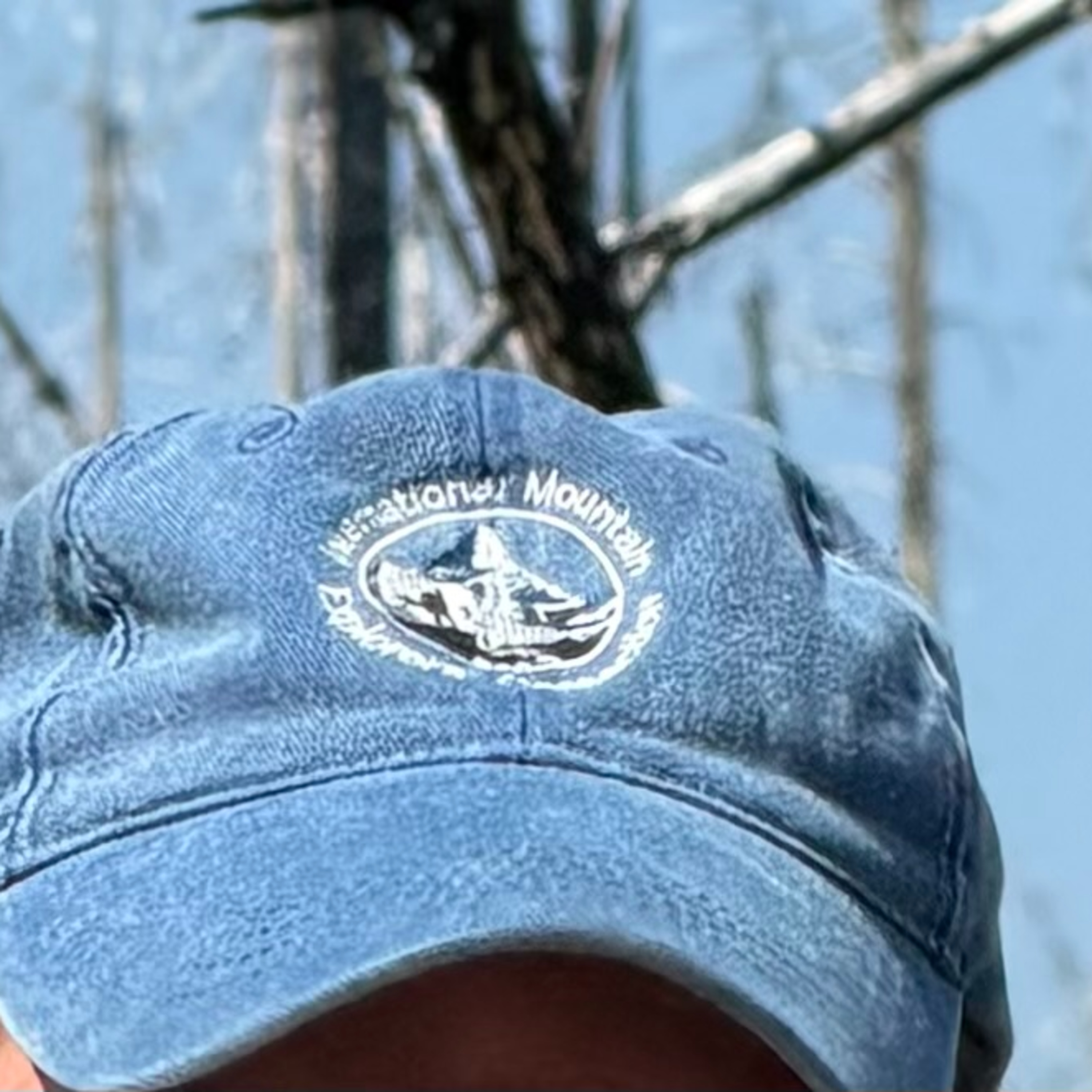
How Hats Became a Timeless Way to Remember Our Fathers
When we look back at the lives of our fathers, physical objects often serve as profound anchors for our memories. Headwear, in particular, carries deep personal history, from the daily fedoras of mid-century patriarchs to the worn baseball caps worn during weekend yard work. In this deep dive, we explore how collecting, wearing, and inheriting a father's hats can unlock cherished memories and preserve family legacy.
Key Takeaways
- Every hat a father wears tells a distinct story about his profession, hobbies, and personal evolution over the decades.
- Inherited headwear acts as a tactile reminder of a parent, offering comfort and a sense of physical connection after they pass.
- Documenting the stories behind specific hats provides a structured way to preserve family history for younger generations.
- Curating a father's hat collection can reveal surprising aspects of his personality and youth that he rarely discussed openly.
- Simple everyday accessories often hold more sentimental value than expensive, formal heirlooms.
The Symbolism of a Father's Headwear Choices
Throughout history, men's headwear has served as a practical necessity, a social indicator, and a personal trademark. For many sons and daughters, the image of their father is permanently fused with the specific style of hat he favored. Whether it was a crisp fedora worn for Sunday church services, a faded trucker cap from a local hardware store, or a woolen flat cap donned during brisk autumn walks, these items were never just accessories.
Psychologically, objects like hats retain the shape and scent of the wearer, making them powerful triggers for nostalgic recall. When a father wears a specific hat consistently, it becomes part of his identity in the eyes of his children. Looking at that hat years later instantly brings back the sound of his voice, the cadence of his walk, and the specific environments he inhabited. It represents the literal and figurative umbrella of protection and guidance he provided throughout his life.
Practical Utility Meets Sentimental Value
Unlike watches or signet rings, which are often kept safely locked away in display boxes, hats are lived-in objects. They endure sweat, rain, sunlight, and the rough-and-tumble reality of daily life. This weathering is precisely what gives them their unique character. A father's hat is scarred by his experiences, bearing the marks of a life well-lived. When children inherit these items, they inherit the physical evidence of their father's labor and leisure.
How to Preserve and Display Inherited Hats
If you have inherited hats from your father, simply tossing them into a dark closet risks damaging the delicate fibers and losing the emotional connection they provide. Proper preservation ensures that these family artifacts survive for decades to come, allowing future generations to understand the man behind the headwear.
Start by gently cleaning the hats according to their specific materials—straw, wool, felt, or cotton require vastly different approaches. Avoid aggressive scrubbing, which can erase the authentic patina of wear that gives the object its soulful character. Once clean, consider using archival storage boxes with acid-free tissue paper to maintain the crown's shape.
Creative Display Ideas
Displaying your father's hats can transform a bare wall or a dull bookshelf into a personal gallery of memories. Wall-mounted wooden pegs offer a classic, rustic look that mimics a traditional mudroom or coat rack. Alternatively, clear acrylic shadow boxes protect vintage fedoras from dust and sunlight while keeping them fully visible. Pair each displayed hat with a small framed photograph of your father wearing it to give visitors immediate context and spark engaging storytelling.
Interviewing Your Father About His Hat Collection
If your father is still with you, talking about his history with hats can open up an unexpected doorway to his past. Men of older generations are sometimes reluctant to share emotional stories directly, but pivoting the conversation toward a neutral topic like clothing or hobbies can lower their guard.
Ask him about the first hat he ever bought with his own money, or if he remembers a specific hat his own father wore. Inquire about the stories behind any beat-up caps he refuses to throw away. You may discover tales of old jobs, cross-country road trips, military service, or memorable sporting events that you never knew about. These conversations bridge generational gaps and turn a simple wardrobe item into a rich oral history project.
Conclusion
Our relationships with our parents are complex, built on thousands of small, seemingly insignificant moments. Yet, it is often the ordinary items—like the hats our fathers wore day in and day out—that carry the heaviest emotional weight. By examining the stories behind these accessories, we honor their lives and keep their memories vibrant and alive.
To hear more about the profound stories and memories connected to headwear, Listen to the full episode. Dive into the audio to uncover deeper reflections on family heritage, personal artifacts, and the enduring bond between fathers and children.
Frequently Asked Questions
Why do inherited hats hold so much sentimental value?
Hats are molded to the exact shape and worn through the daily habits of the wearer, making them deeply personal, tactile reminders that evoke powerful sensory memories.
How should I clean an old wool or felt hat passed down from my dad?
Use a soft-bristled brush to gently remove surface dust, working in a counter-clockwise direction following the grain of the felt. Avoid using water or harsh chemical cleaners unless handled by a professional vintage cleaner.
What is the best way to store vintage hats without ruining their shape?
Store hats in cool, dry, dark environments away from direct sunlight. Support the crown with acid-free tissue paper and keep them in specialized hat boxes to prevent crushing and dust accumulation.
How can I use clothing to start meaningful conversations with my aging father?
Ask about the history of specific items he wears frequently, such as a favorite work cap or a vintage jacket. Nostalgia-inducing questions about his youth and working years often lead to wonderful storytelling.